Flutter now powers around 46% of all cross‑platform apps, yet choosing the right company to build yours has only gotten harder. In 2026, buyers are stuck on questions: Is Flutter still a safe long‑term bet after Google’s team cuts, and how can you tell a real Flutter specialist from an agency that just lists it alongside 10 other stacks?
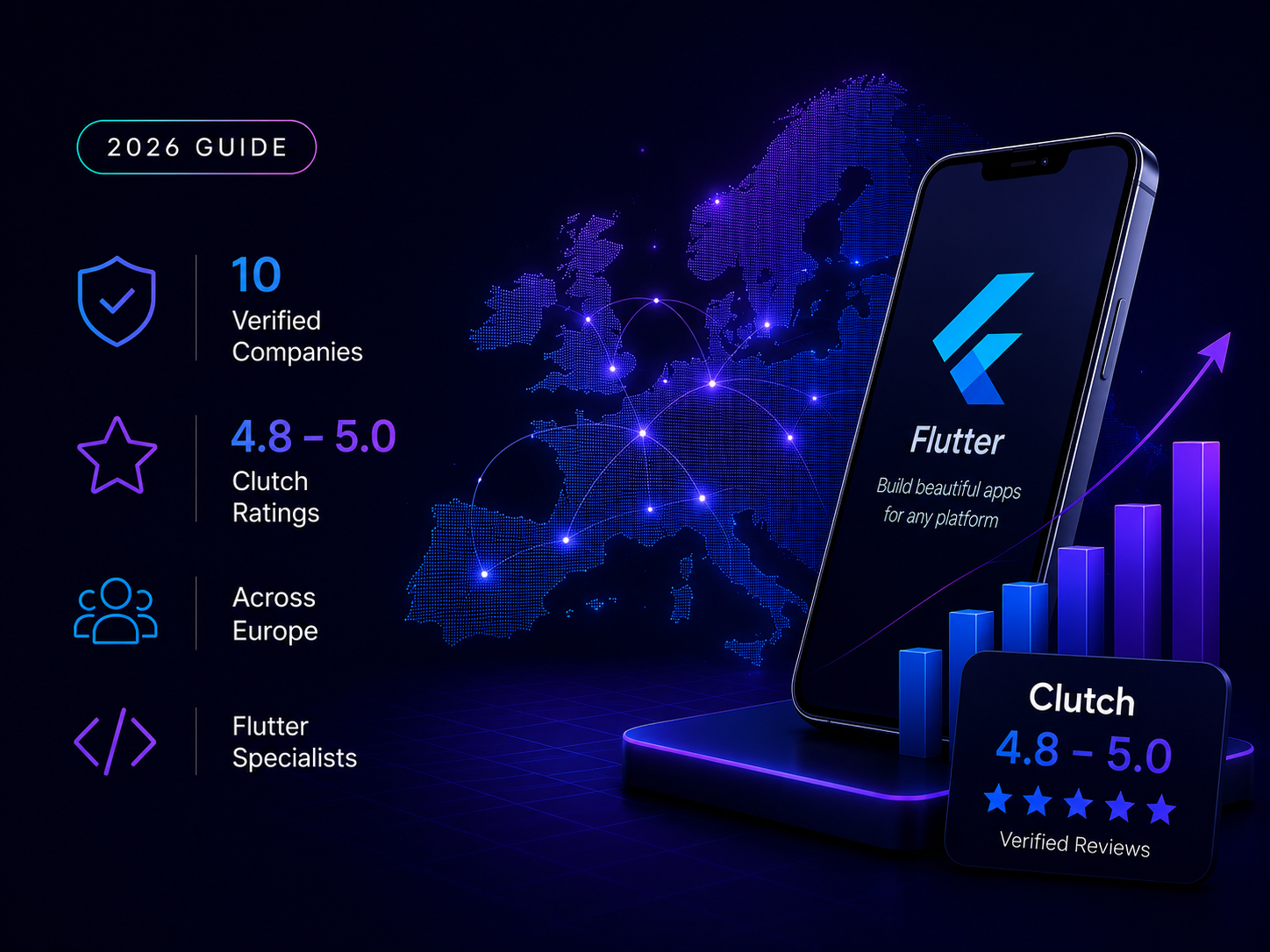
This guide answers both. It highlights reliable Flutter app development companies in Europe with verifiable Clutch data, team sizes, and honest positioning, so you can shortlist partners based on evidence.
Key Takeaways
This list of Flutter app development companies in Europe features HotShots Labs, with FiveDotTwelve, What the Flutter, Olearis, Perpetio, Applover, Ackee, RebelDot, Nintriva, and Codahead, each with its own focus and scale.
The 10 companies are based across Poland, Estonia, Ukraine, the Czech Republic, Romania, and Sweden.
Every company has an active, verified Clutch profile with client reviews, and ratings cluster between 4.8 and 5.0.
Most entries focus on Flutter shops, which matters for depth in native integration, performance, and release engineering.
Use the evaluation criteria and the framework-health section below to pressure-test any vendor before you commit to the budget.
Flutter Development in 2026: Framework Health, Risks, and Why It Still Wins
Before you choose a partner, you need to know if the framework itself is still worth the bet. This question only got louder in 2026, so here’s the short answer.
The concern: Google’s layoffs and key departures
In 2024, Google cut about 200 roles on its Flutter, Dart, and Python teams. After that, Tim Sneath, who led product for Flutter and Dart, and Impeller lead Brandon DeRosier both left the team. These changes kept the “Is Flutter dying?” question alive on developer forums. If you back a product for several years, this risk is worth thinking about.
The reality: A steady delivery record
In 2025, the Dart and Flutter teams shipped 8 stable releases, 4 for each language, on a steady quarterly schedule. Impeller is now the default rendering engine, which settled most earlier performance worries. Google now treats Flutter as a mature product and focuses on stability, security, and enterprise needs, with recent work on speed, smaller app sizes, and faster startup times.
The market position: Adoption at scale
Statista estimates that Flutter holds about 46% of the cross‑platform market, with React Native at 35%. By early 2025, Flutter powered almost 30% of new iOS apps on the App Store. Companies using Flutter in production include Google, BMW, Toyota, Nubank, Alibaba, eBay Motors, and LG. BMW says its Flutter strategy has cut release cycles by about a third.
The hiring risk: Scarce senior talent
Senior Flutter developers are hard to find, and they cost more. Glassdoor data from early 2026 shows experienced Flutter engineers earning 10 to 15% more than similar React Native developers because demand is higher than supply. You can’t assume a vendor has strong Flutter skills, so check their depth using the criteria in the next section.
What Makes a Good Flutter Development Company Stand Out
Flutter reached version 1.0 in December 2018, so only early adopters can show a 5+‑year track record. Most agencies added Flutter later, on top of their existing stacks. The checks below help you tell a focused specialist from a generalist who just lists Flutter as an option.
Verify Flutter depth
Clutch shows how each company splits its work. A true specialist does 60-100% of its projects in Flutter. Check that against reviews that mention Flutter and Dart by name. Ask how the team handles platform channels and native code in Swift and Kotlin. This is where many cross‑platform projects fail, and shallow Flutter teams get stuck.
Check tooling and release cadence
Google ships 4 Flutter and four Dart releases a year. The current team runs on Impeller, the standard rendering engine since 2025, and keeps its Dart SDK within a version or two of the stable release. Confirm they use CI/CD, automated tests, and have a clear policy for upgrades. Teams that trail several versions behind build up migration debt that becomes your problem.
Match the engagement to European rate bands
Rates track location. In 2026, senior Flutter developers cost about $35-$70 per hour in Eastern Europe and roughly €50-€130 per hour in Western Europe, versus $130-$250 in the United States. A quote far below the local range means a junior-heavy team; far above it implies extra overhead you’re paying for. Ask for the seniority mix behind any blended rate.
Confirm compliance for your sector
For EU users, GDPR is the baseline. However, regulated products need more. ISO 27001 demonstrates that a company’s security processes are audited, whereas healthcare apps require HIPAA‑aligned data handling. Ask which certifications the company holds.
The specialist vs generalist test
A focused Flutter partner assigns dedicated engineers instead of moving React Native or native developers in and out of projects. It maintains or contributes to open‑source Dart packages, publishes Flutter case studies with metrics, and can talk about Impeller, widget composition, and state management without handing you off to sales. If Flutter appears as one option among others and no one on the call can go deep, treat that company as a generalist.
With these criteria in place, here are 10 Flutter app development companies in Europe that meet them.
Top 10 Flutter App Development Companies in Europe: Side-by-Side Comparison
The table below sums up each company’s main domains, core stack, and verified Clutch rating. The full profiles follow.
Company
Geography
Clutch
Hourly rate
Focus
Best for
HotShots Labs
Europe
5.0
$25–49/hr
Travel, Wellness, E-commerce, Finance, Social
Startups wanting direct CEO access and AI-accelerated builds with senior oversight
FiveDotTwelve
Poland
4.9
$50–99/hr
Health, Fitness, Biotech, Startups
Founders who want full custom Flutter builds and fast FlutterFlow prototyping under
What the Flutter
Poland
5.0
$25–49/hr
HealthTech, FinTech, EdTech
Teams that want a Flutter-only specialist with their own internal training lab and open-source track record
Olearis
Ukraine
4.8
$25–49/hr
Wellness, Social, EdTech, IoT, SaaS
Startups needing full-cycle product support
Perpetio
Ukraine
4.9
$25–49/hr
Hearing Health, EdTech, Retail, Entertainment
Clients who want a long-term Flutter partner for multi-year maintenance
Momentum (formerly Applover)
Poland
4.8
$50–99/hr
Healthcare/Pharma, Fintech, PropTech
Regulated-industry apps needing Flutter plus deeper backend and AI integration work
Ackee
Czech Republic
4.9
$50–99/hr
Banking/Fintech, Enterprise, Public sector
Security-sensitive projects that need native-level integration alongside Flutter
RebelDot
Romania
4.9
$50–99/hr
Telemedicine, Fintech, AI
Cross-platform apps spanning mobile, web, and AI in one build
Codahead
Poland
4.7
$25–49/hr
Fintech, Retail, Healthcare, Automotive
Deep-tech products combining Flutter with AI, XR/AR, or hardware-adjacent features
Lionwood.software
Ukraine
4.9
$25–49/hr
Logistics, Education, Automotive
Clients who need Flutter as part of a broader full-stack team (.NET, React, Blockchain)
1. HotShots Labs
Founded: 2019, Flutter-exclusive from the launch
Team size: 10–49
Hourly rate: $25–49/hr
Clutch rating: 5.0 (15 reviews)
HotShots Labs is one of the most focused Flutter app development companies in Europe, built around a small, senior team. The company positions direct access to the CEO from the first call as its key differentiator. It stands apart from larger outsourcing firms with layers of account management and follows a “fewer but better clients” approach that favors long‑term partnerships over volume. The team focuses on product research & strategy, end‑to‑end Flutter development, maintenance of existing apps, and full‑cycle builds for iOS, Android, tablets, and web from a single codebase.
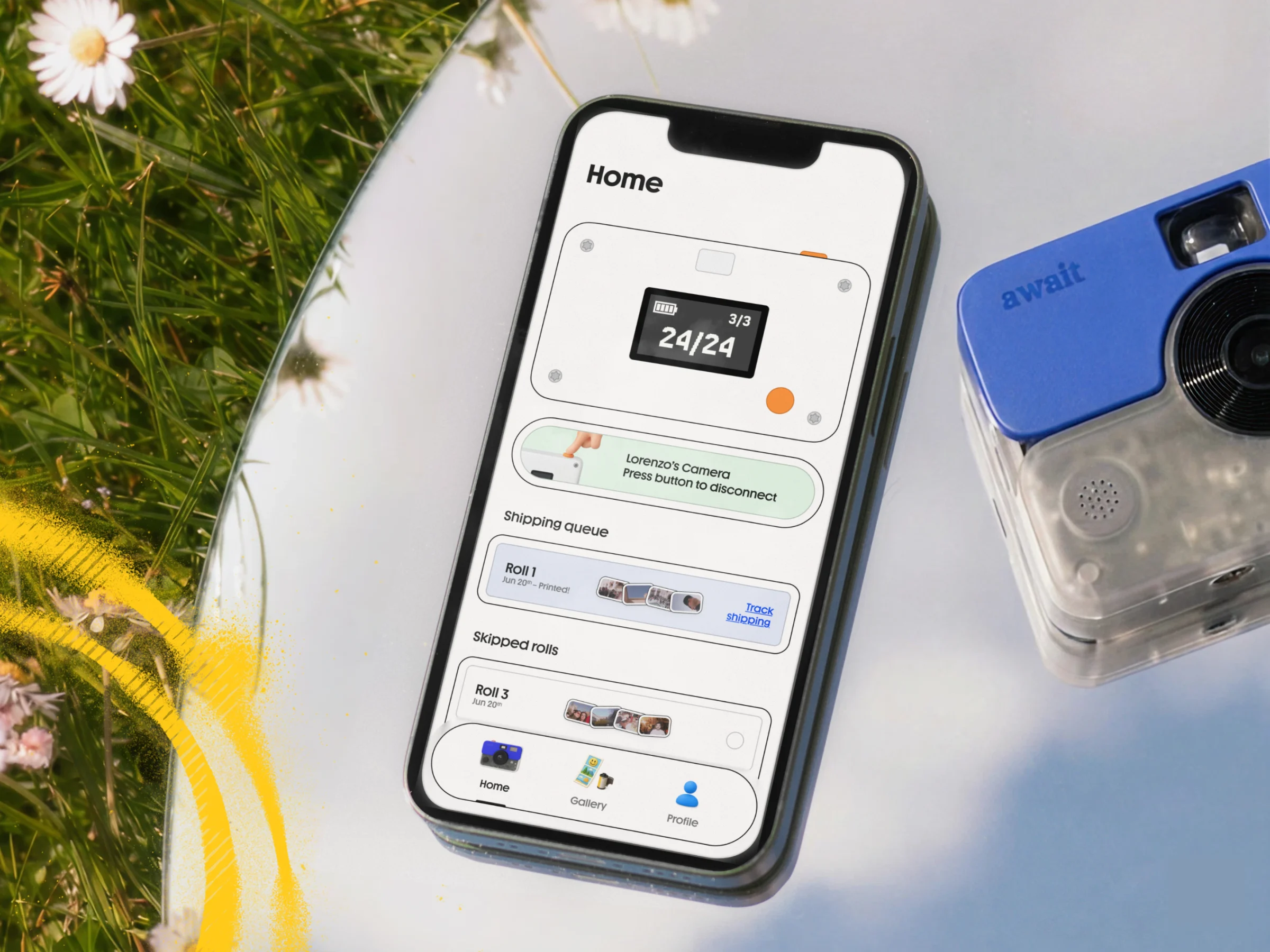
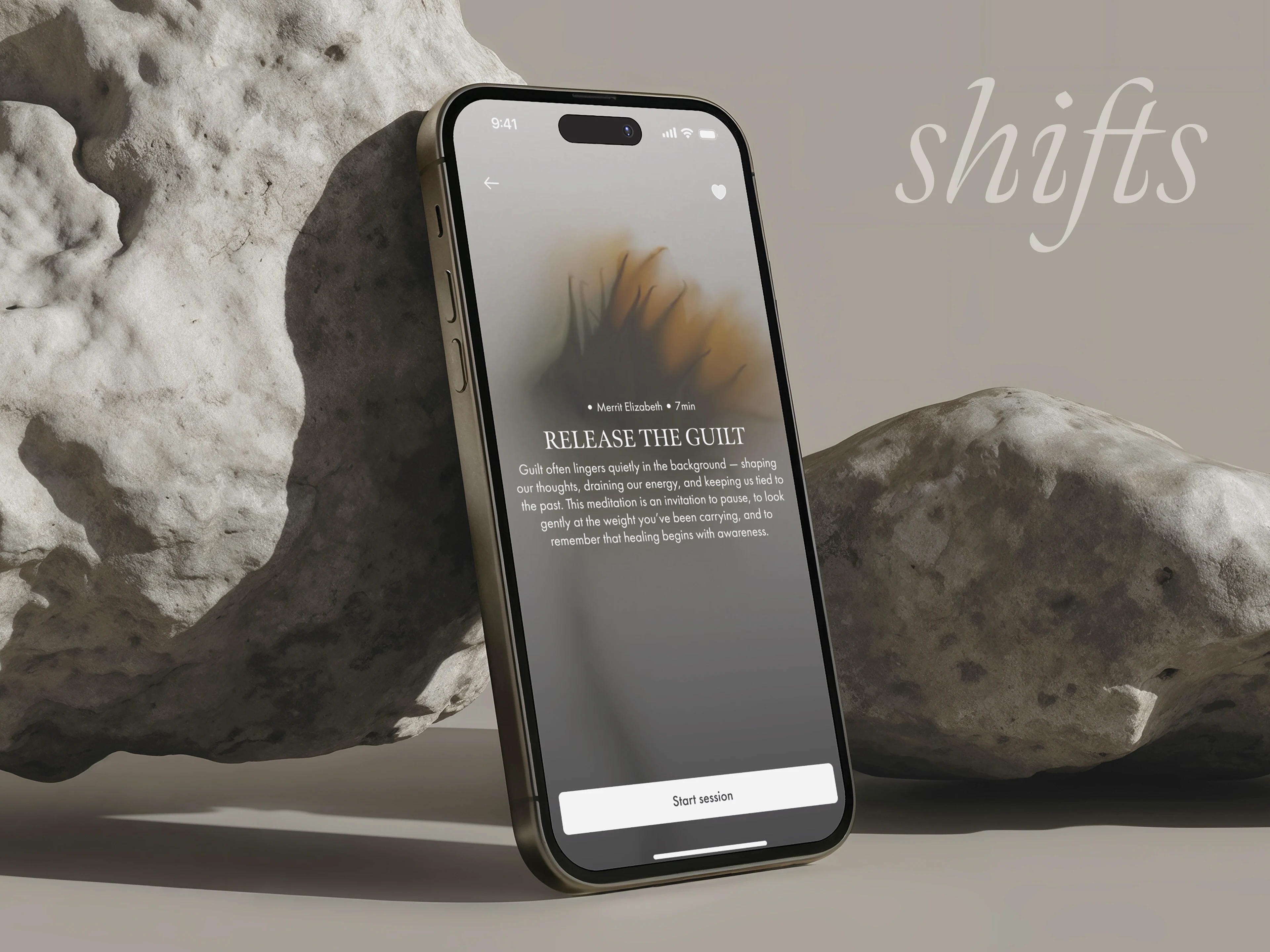
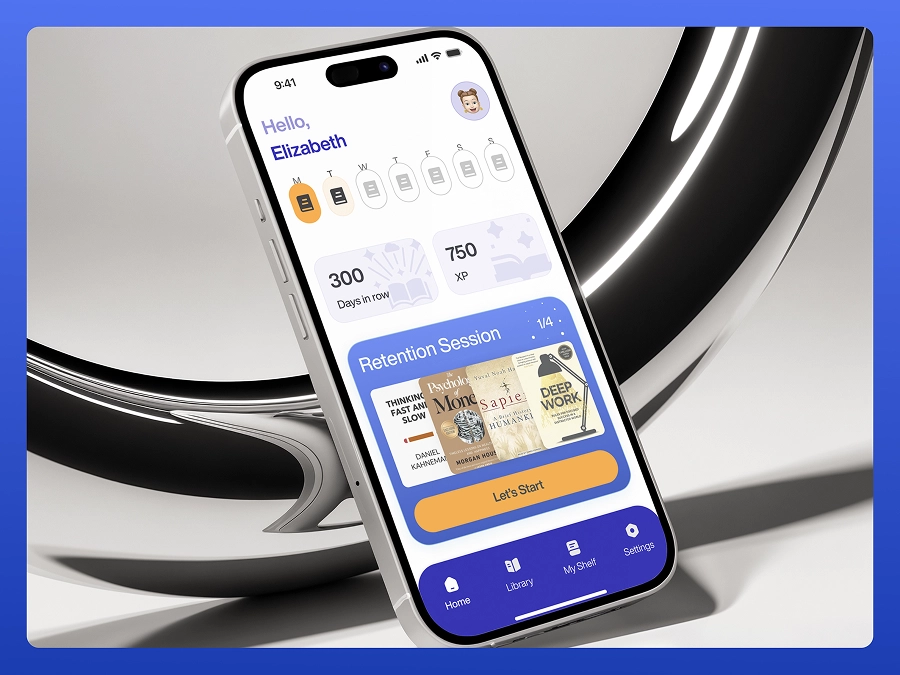
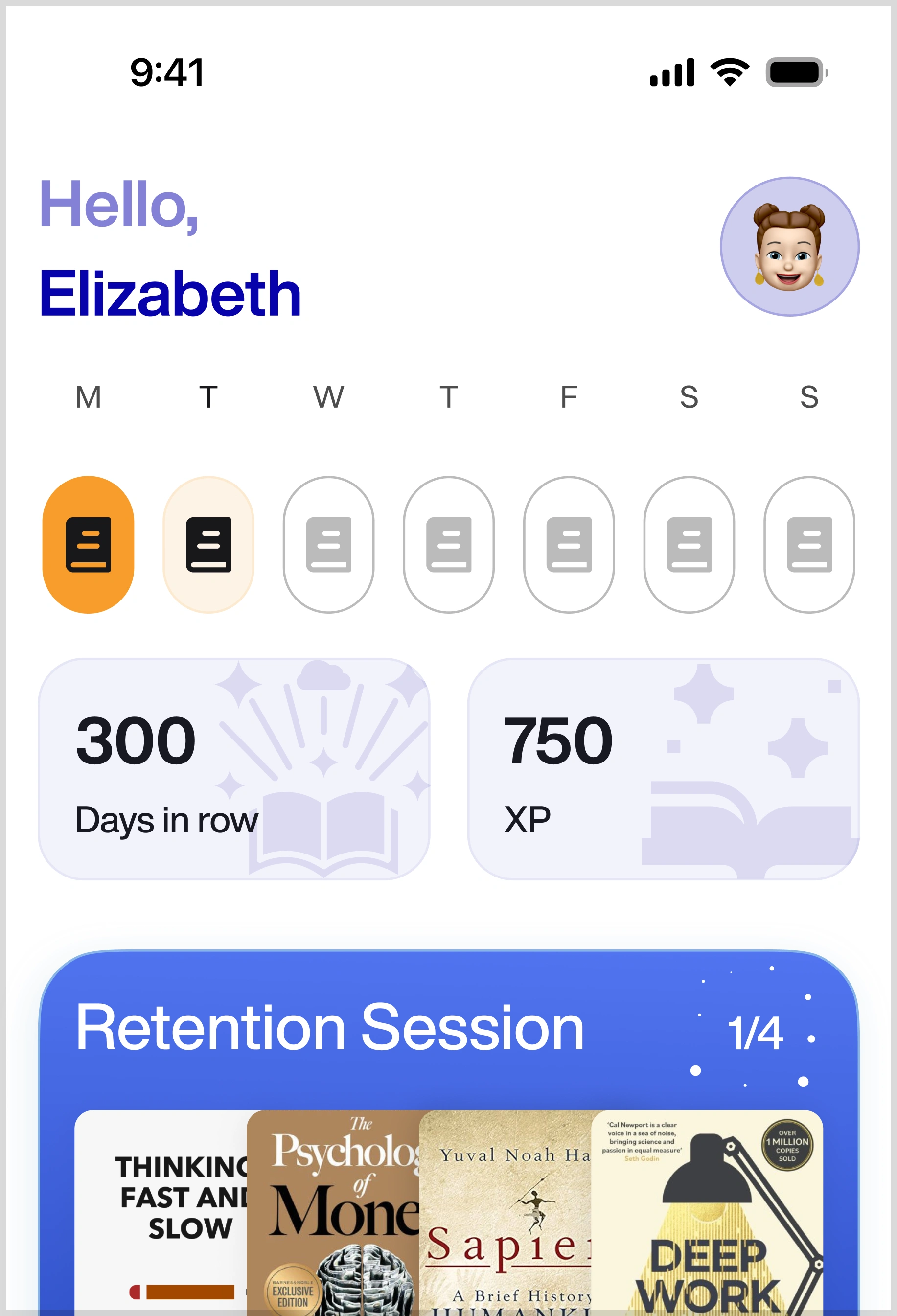
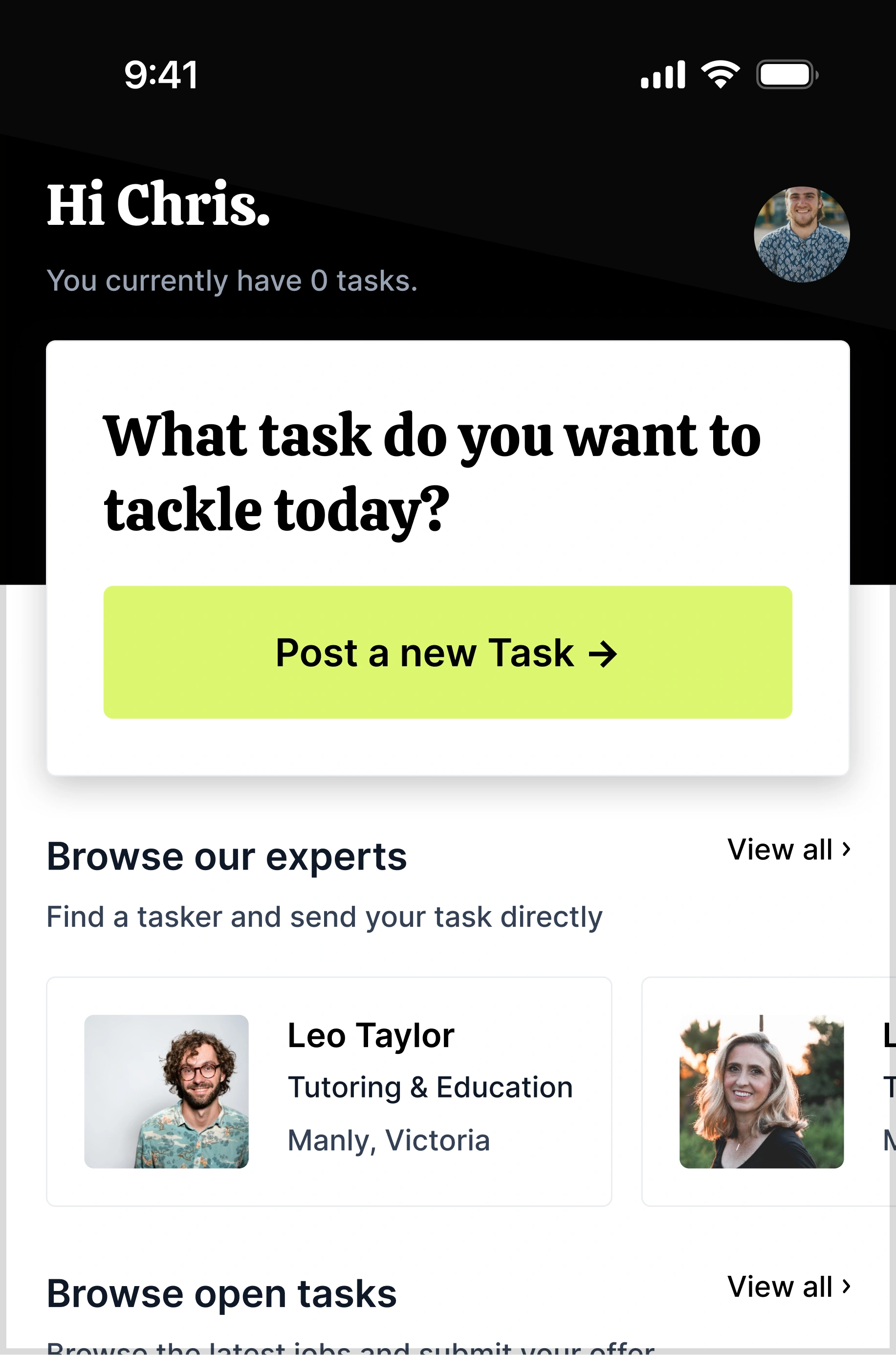
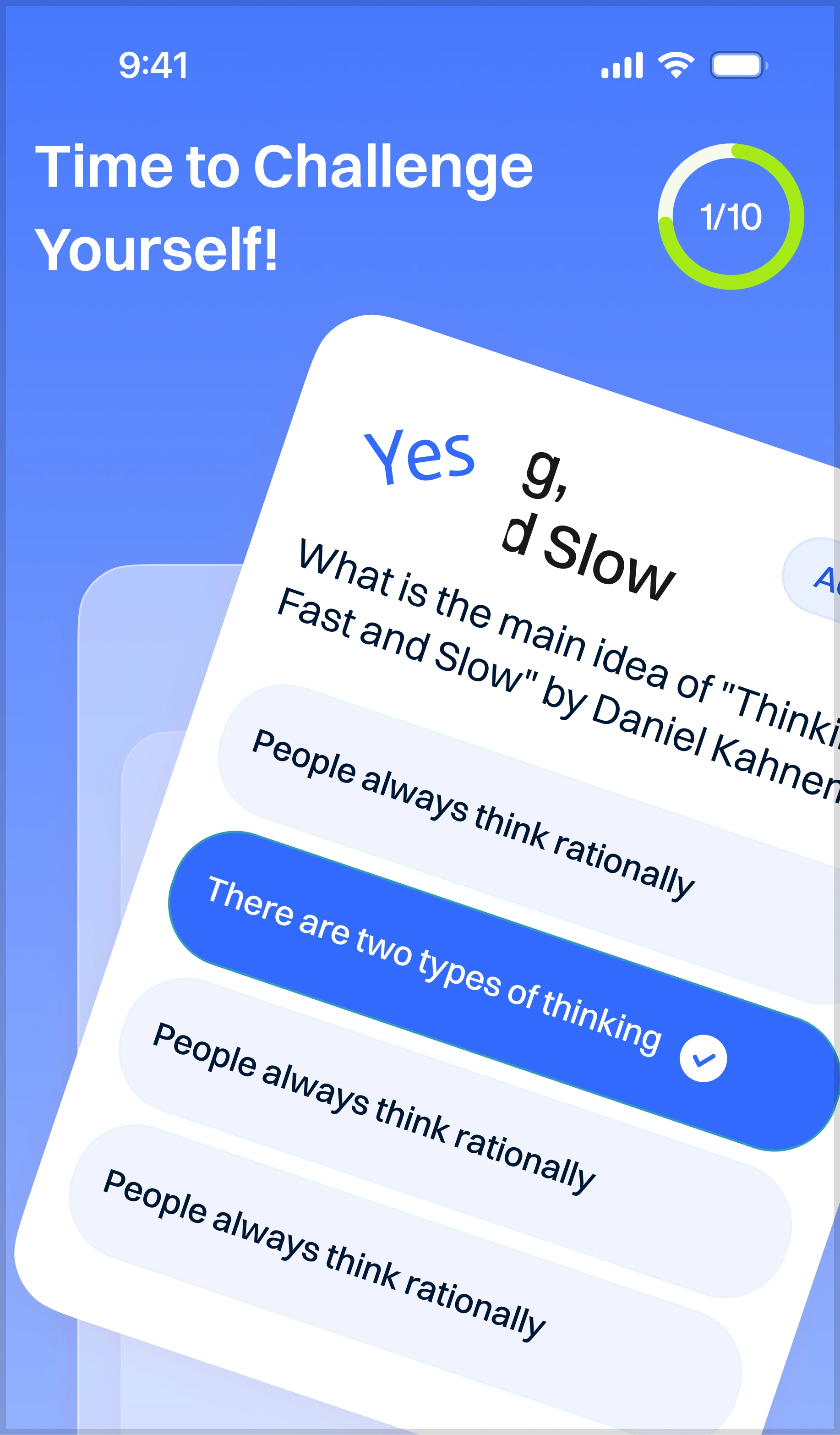
Its portfolio includes Snoozeband, a Bluetooth sleep‑mask companion app that reached 10,000 users within its first few weeks; Loxie, an AI‑driven learning app that uses gamification to improve retention; Shifts, a support tool for eating‑disorder recovery; SmartTasker, a peer‑to‑peer task marketplace in Australia; and Await, a companion app for a Bluetooth pocket camera that handles photo transfer and print fulfillment.
Pricing scales with scope. A small MVP costs $10,000–$20,000, a mid‑size app costs $20,000–$35,000, and a complex product costs $35,000 and up. Most MVPs launch in 3-4 months. Clients retain full ownership of source code and IP. Also, the agency offers post‑launch maintenance, including for apps it didn’t originally build. The team uses AI to speed up repetitive and boilerplate work, while senior developers own architecture, security, modularity, and complex integrations.
Why choose HotShots Labs
Small senior team with no account-management layers between the client and the CEO.
AI-accelerated delivery for startups on a runway, without cutting corners on architecture or security.
Flexible engagement models (full-cycle, Time & Materials, or Fixed-price), which are suited to early-stage founders validating an idea.
Full IP ownership handed to the client, plus post-launch support for apps built by other teams.
FiveDotTwelve is a Poland-based studio that offers classic Flutter engineering and FlutterFlow for faster, lower‑code builds, giving clients a choice between full-custom development and accelerated prototyping, based on budget and timeline. The team has delivered more than 100 projects since its founding, with 90% of clients returning for additional work and 70% coming through referrals.
Most of its clients are in health, fitness, biotech, and early‑stage startups. Reviewers point to outcomes such as zero defects across 2,000 tested units in one healthcare build and the successful on‑device deployment of computer‑vision features in another. Clients describe steady communication via Slack and Jira, and reliable, on‑time delivery.
Why choose FiveDotTwelve
Both full custom Flutter development and FlutterFlow are useful when speed and budget matter as much as depth.
Strong repeat and referral rate, a practical signal of long‑term client trust.
Track record in health and biotech, where defect tolerance is especially low.
3. What the Flutter
Founded: 2018
Team size: 10–49
Hourly rate: $25–49/hr
Clutch rating: 5.0 (6 reviews)
What the Flutter has worked exclusively with Flutter since the framework’s 1.0 release. This team runs an internal Flutter training lab, partners with technical universities, and maintains open-source packages & plugins that support the wider developer community.
Its portfolio spans fintech, healthcare, and consumer apps, including a fitness app that passed 500,000 users and a mental health app that needed custom Bluetooth integration with a physical device. Clients cite the team’s single-framework focus as the reason they chose it over generalist agencies.
Why choose What the Flutter
Flutter-only focus since version 1.0, with no other framework competing for the team’s attention.
Internal training lab and open-source contributions are the markers of community standing.
Proven experience with hardware-linked builds, including Bluetooth device integration.
4. Olearis
Founded: 2013
Team size: 10–49
Hourly rate: $25–49/hr
Clutch rating: 4.8 (31 reviews)
Olearis has built more than 400 digital products since 2013, with a portfolio that includes some large-scale results. Parlor, an audio social app, has passed 10 million downloads. GoFrendly, a social app, reached 450,000 users and raised $2.88 million. UpLife, a mental health app, has 500,000 users and a 4.6-star rating on the App Store.
The company covers the full product cycle: early strategy, UX/UI design through Flutter and native development, backend work, API integration, QA, and post-launch support. This suits founders who need a single team throughout the journey. On one healthcare project, the firm reduced memory usage from 10 GB to 30 MB, an example of the performance work reviewers mention.
Why choose Olearis
Full-cycle support from early strategy through post-launch growth.
Proven large-scale outcomes, including apps with more than 10 million downloads.
Deep experience in wellness and social products, where both retention and performance matter.
5. Perpetio
Founded: 2014 (mobile-first since 2016)
Team size: 50-249
Hourly rate: $25–49/hr
Clutch rating: 5.0 (11 reviews)
Perpetio is a mobile‑first studio based in Ukraine with several client relationships that have run continuously since 2016. Its focus areas are hearing health, education, retail, and entertainment apps. Reviewers describe the team as responsive and easy to work with; they highlight clean, maintainable code as a strength across years of maintenance.
Why choose Perpetio
Multi‑year client relationships that point to reliable long‑term maintenance, not just initial delivery.
Focus on hearing health and accessibility‑adjacent products, which is a less crowded niche.
Maintainable codebases that reviewers mention directly and repeatedly.
6. Momentum (formerly Applover)
Founded: 2016
Team size: 50-249
Hourly rate: $50–99/hr
Clutch rating: 4.8 (45 reviews)
Momentum, previously known as Applover, pairs Flutter with React, Python, blockchain, AR, and Google Cloud, which suits products that need more than a single framework to work well. Its “Egis Czas na Lek” project, a medication-recording app for pharmaceutical company Egis, is a representative case: the team handled complex scheduling logic, notification management, and accessibility features designed specifically for senior users.
Reviewers highlight the team’s broad technical range and structured delivery via Scrum, Jira, and GitHub, with most projects completed on time and within budget.
Why choose Momentum
Broad technical stack around Flutter, useful when a product needs blockchain, AR, or cloud infrastructure beyond the app itself.
Proven work in regulated healthcare and pharma, including accessibility-focused feature design.
Structured delivery process with clear tools, milestones, and tracking.
7. Ackee
Founded: 2012
Team size: 50-249
Hourly rate: $50–99/hr
Clutch rating: 4.9 (47 reviews)
Ackee has a notable banking project for J&T Banka that required security‑first architecture, the kind of engagement the team is built to handle. The company pairs Flutter with native Kotlin and Swift plus backend engineering, which matters for products that need deep native integration alongside the cross‑platform layer.
Reviewers praise the team’s pricing relative to output quality, with project costs ranging from $25,000 up to $1 million, depending on scope. This shows a range across both smaller and larger builds. Clients also describe Ackee as a supportive partner.
Why choose Ackee
Proven fintech and banking work, where security requirements are non‑negotiable.
Native Kotlin and Swift expertise, alongside Flutter, is useful for deep platform integration.
Wide project range, from smaller builds up to million‑dollar engagements.
8. RebelDot
Founded: 2018
Team size: 250-999
Hourly rate: $50–99/hr
Clutch rating: 4.9 (33 reviews)
RebelDot combines mobile, web, and AI or blockchain work for clients in telemedicine, fintech, and sustainability-focused sectors. Its work on Recomedica, a telemedicine platform, is an example of its healthcare delivery experience and ability to handle regulated, patient-facing products. Reviewers describe RebelDot as reliable and collaborative, with strong cultural alignment reported across projects of different sizes.
Why choose RebelDot
Broad industry range, from telemedicine to fintech to sustainability-focused products.
AI and blockchain capability alongside Flutter, for products that need more than a mobile front end.
Strong client-reported cultural fit and collaborative working style.
9. Codahead
Founded: 2011
Team size: 50-249
Hourly rate: $25–49/hr
Clutch rating: 4.7 (6 reviews)
Codahead is a deep‑tech studio that pairs Flutter with AI, blockchain, and immersive reality work across XR, AR, and VR. This positions the firm for more technically ambitious builds than a typical app project. Its solutions run on more than 30,000 devices and process over $1.5 billion in transactions each year, pointing to production‑grade scale.
Its clients span fintech, retail, healthcare, automotive, and manufacturing. The team works on a consultant‑driven model, which allows them to extend a client’s existing team. Reviews highlight high‑quality code and documentation as consistent strengths.
Why choose Codahead
Deep‑tech range beyond Flutter, including AI, blockchain, and XR/AR/VR.
Proven scale, with solutions running on 30,000+ devices in live production.
Consultant‑driven model suited to extending an existing internal team.
10. Lionwood.software
Founded: 2017
Team size: 50–249
Hourly rate: $25–49/hr
Clutch rating: 4.9 (45 reviews)
Lionwood.software is a Lviv-based studio that pairs Flutter with .NET, React, Node.js, and blockchain, so it suits clients who need a broader technical team focused on the mobile layer. The company has helped launch close to 90 startups globally, reports a 98% client satisfaction rate, and has an average client tenure of around 3 years.
Its focus areas include logistics, education, and automotive. For example, one case involved building a Flutter app for delivery drivers at a construction materials company and connecting it to the client’s existing backend systems. On Clutch, the company is described as the organized and proactive team on design issues.
Why choose Lionwood.software
Full-stack team around Flutter, useful when a product also needs .NET, React, or blockchain integration.
Strong client retention, with average engagements running around 3 years.
Proven delivery in logistics and driver-facing apps, a niche where reliability matters most.
Building AI-Powered and Agentic Apps with Flutter
At Google I/O 2025, Flutter was positioned as the framework for agentic apps: products where an AI model decides the next UI state, and Flutter renders it. This direction continued in 2026, with Flutter 3.44 shipping Agentic Hot Reload and GenUI, plus A2UI, an open standard for describing interfaces in a format AI models can generate.
In practice, this changes what a Flutter app can do out of the box. A user can ask the app to change a color or tweak a workflow in plain language, and the interface updates itself, with Firebase and Gemini handling the logic behind the scenes. Tooling has moved in step. Google’s Antigravity, an agentic IDE launched in late 2025, lets a developer describe a feature in natural language and have an AI agent plan, write, and test it, with a human reviewing and approving each step.
For a founder choosing a Flutter partner, this is less about buzzwords and more about practice. Does the team know how to design a UI that can adapt to an AI‑driven state, and do they have a clear view on when to let AI generate code vs when a senior engineer should decide? Firebase AI Logic and Vertex AI become standard parts of Flutter conversations. Vendors on this list who can talk concretely about this shift are better placed to build products that feel intelligent by design.
Flutter and EU Compliance: GDPR, the AI Act, and Data Residency
Full enforcement of the EU AI Act’s high‑risk rules starts on August 2, 2026, and it sits on top of GDPR. Any Flutter app with an AI feature that uses European user data now has to follow both laws, and regulators are already checking where privacy policies don’t match what traffic shows.
Data residency is where many founders slip. Keeping data on EU servers isn’t the same as processing it there, and using a US cloud provider’s “EU region” doesn’t remove US jurisdiction under the CLOUD Act. This matters under GDPR Chapter V, which limits sending personal data outside the EEA without safeguards. Also, this is more important than the AI feature communicating with a non‑EU model endpoint. Each model call counts as processing, even if you store the data locally. The safest setup for sensitive data is on‑device processing + EU‑hosted infrastructure for everything else.
This is where nearshore European development has a real edge over offshore options. A Flutter partner based in the EU or a candidate country already works under the same rules as the client, instead of needing a compliance briefing before the project starts. With any shortlisted vendor, ask two clear questions: Where does data sit while the app runs, and where is it processed? The answers are different, and both matter under current enforcement.
Why HotShots Labs Stands Out
Plenty of companies solve the problem of cross‑platform delivery, but we focus on a narrower one. Our team helps founders who need to move fast on a limited runway without betting on architecture choices that are painful to undo later.
You can see this most clearly in how we use AI. Instead of treating it as a replacement for engineering judgment, we apply the tech to speed up the repetitive parts of a build, while architecture, security, and features stay under senior developer control.
Being based in Europe also means we already operate under GDPR and the EU AI Act. There’s no account‑management layer between you and the CEO either, which shortens feedback loops during the weeks when requirements are changing.
Flutter’s framework health in 2026 holds up, and there are more strong Flutter teams than a few familiar names. The 10 companies in this guide range from boutique studios to mid‑size teams across Poland, Estonia, Ukraine, the Czech Republic, and Romania. Each has a verified Clutch record and a clear strength, from fintech security to long‑term maintenance to full‑stack builds.
For a founder testing an idea on a tight runway, the math is different from that of an enterprise modernizing an old system. We built HotShots Labs for that first case: a small senior team, direct CEO access, AI‑assisted delivery that doesn’t cut corners on architecture, and full IP ownership from day one.
If that fits where your product is right now, get in touch with us to talk through scope and timeline before you commit budget to a build.
FAQ About Flutter App Development Companies in Europe
How much do Flutter app development companies in Europe charge?
Rates depend on region and team seniority. Eastern European companies on this list typically charge $25–$70 per hour, while Western European agencies run closer to €50–€130 per hour. A small MVP with any of these companies usually falls in the $10,000–$35,000 range, with complex builds running higher depending on scope.
What’s the difference between a Flutter-focused company and a full-stack agency that also offers Flutter?
A Flutter-focused company, like HotShots Labs or What the Flutter, assigns engineers who work exclusively in this framework, which means deeper knowledge and fewer bugs at handoff. A full-stack agency, like Momentum or Lionwood.software, offers Flutter alongside other technologies. That suits products that need a broader technical range, such as blockchain or a custom backend, beyond the mobile app itself.
How do I verify a Flutter company’s rating and reviews are legitimate?
Check the company directly on Clutch rather than relying on ratings quoted on the vendor’s site. Clutch reviews go through a verification call, so read a few full reviews, not just the star average, and look for specific technologies and measurable outcomes rather than generic praise.
Should I pick a boutique Flutter company or a larger mid-size studio?
It depends on what you need. A boutique studio, like HotShots Labs or Perpetio, means direct access to senior staff and fewer layers of account management, which suits a startup validating an idea. A mid-size studio, like Nomtek-sized teams or Lionwood.software, can staff a larger project faster and has broader in-house capability for backend or infrastructure work.
Does it matter if a Flutter company is based in Poland, Ukraine, or the Czech Republic?
For most projects, fewer than the founders expect. All three countries have a deep Flutter talent pool and strong English proficiency among the companies on this list. The bigger practical factors are time zone overlap with your team, each company’s specific industry experience, and whether they operate inside GDPR and the EU AI Act as a matter of course.
How many of the companies on this list can also build AI features into a Flutter app?
Most can. Flutter’s tooling for AI integration through Firebase AI Logic and Vertex AI has become fairly standard, so the more useful question to ask a shortlisted company isn’t whether they can add an AI feature, but whether they have a clear answer on data residency for any AI call that processes EU user data.
What should I ask a Flutter company before signing, beyond their Clutch rating?
Ask who will be assigned to your project by name and request a reference from a completed project in your industry. Also, confirm IP ownership and source code access terms in writing before any work starts, since a strong Clutch score doesn’t guarantee these terms are founder-friendly by default.
Mobile App Development in 2026 The mobile app landscape has undergone a seismic shift over the past few years. What began as a gradual migration from websites to mobile apps has now matured into a full ecosystem where mobile is no longer an alternative to the web — it is the primary computing surface for […]
Mobile App Development in 2023 The demand for mobile app development is increasing day by day because of the rapid increase in the usage of mobile platforms for everyday tasks. This shift from websites or web apps to mobile apps has not only opened up new doors for mobile application development industries but also paved […]
Creating a timeline for mobile app development can be a difficult task to take on if you do not have a definitive app development plan. This is exactly why the first step in creating a timeline should be to establish the goals of the project are and the purpose of the mobile app. Timeline establishment […]